
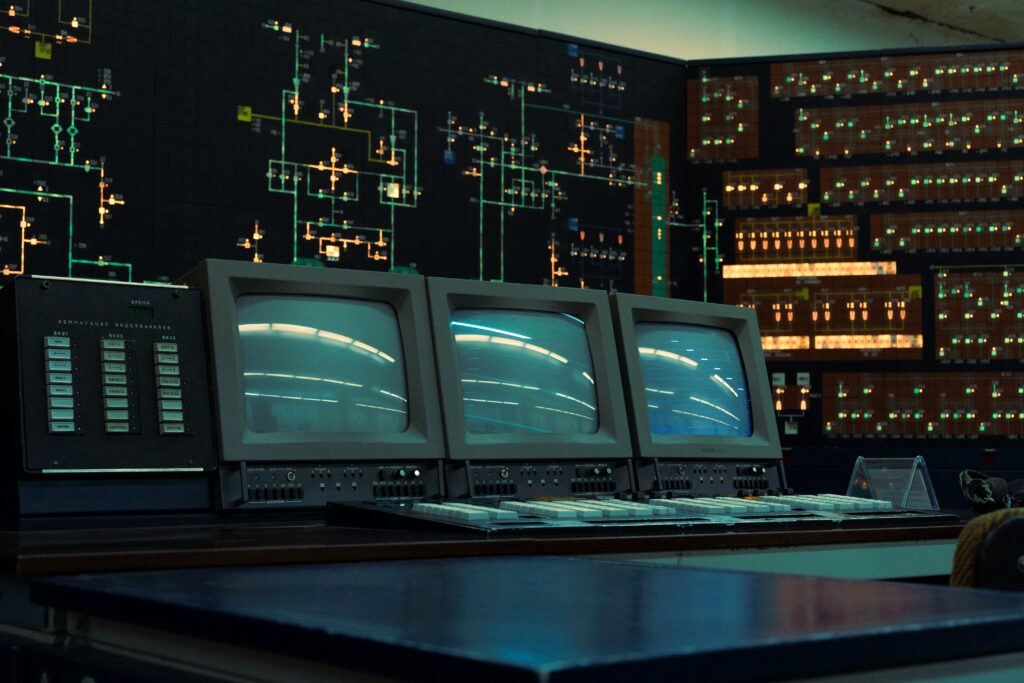
A Distributed Control System, or DCS, is an advanced automation system designed specifically for industries with complex, continuous processes. Unlike PLC systems that work well for high-speed discrete control, a DCS focuses on precision, stability, and coordinated control across large-scale process environments. Industries such as chemical processing, oil refining, power generation, pharmaceuticals, and pulp and paper rely on DCS technology to maintain consistent quality and productivity.
A DCS is composed of distributed controllers placed throughout a plant, each managing specific processes or equipment. These controllers are integrated through a high-speed communication network and supervised by centralized operator stations. This architecture provides both local control and centralized oversight, ensuring smooth operation even if one part of the system experiences issues.
One of the defining characteristics of a DCS is its emphasis on process automation. It handles complex control loops, advanced algorithms, and continuous operations where small deviations can significantly affect product quality. For example, in a chemical plant, maintaining precise temperature, pressure, and flow conditions is critical. A DCS ensures these variables stay within safe limits by continuously adjusting control outputs.
Consistency and reliability are major strengths of a DCS. Its distributed nature reduces the risk of total system failure. If one controller goes offline, the rest of the system can continue functioning. This makes DCS ideal for industries where downtime is extremely costly or dangerous.
A DCS also offers a highly integrated environment. Operators can monitor every part of the process through intuitive graphical interfaces that display real-time data, trends, alarms, and system performance. Engineering tools allow for centralized configuration, troubleshooting, and optimization.
Modern DCS platforms support advanced features such as batch automation, recipe management, predictive diagnostics, and cybersecurity protection. They also integrate with enterprise systems, making it easier for companies to analyze production data, plan resources, and optimize long-term performance.
Remote access and IIoT connectivity have further expanded DCS capabilities. Maintenance teams can monitor system health from anywhere, while real-time analytics help predict failures before they occur. These innovations contribute to higher efficiency, reduced downtime, and lower operational costs.
In conclusion, a DCS is a powerful automation solution for continuous process industries. It delivers reliability, precision, integration, and scalability—making it essential for maintaining safe, stable, and optimized production environments. As industries evolve toward smarter operations and digital transformation, DCS systems continue to be a cornerstone of advanced process automation.
